
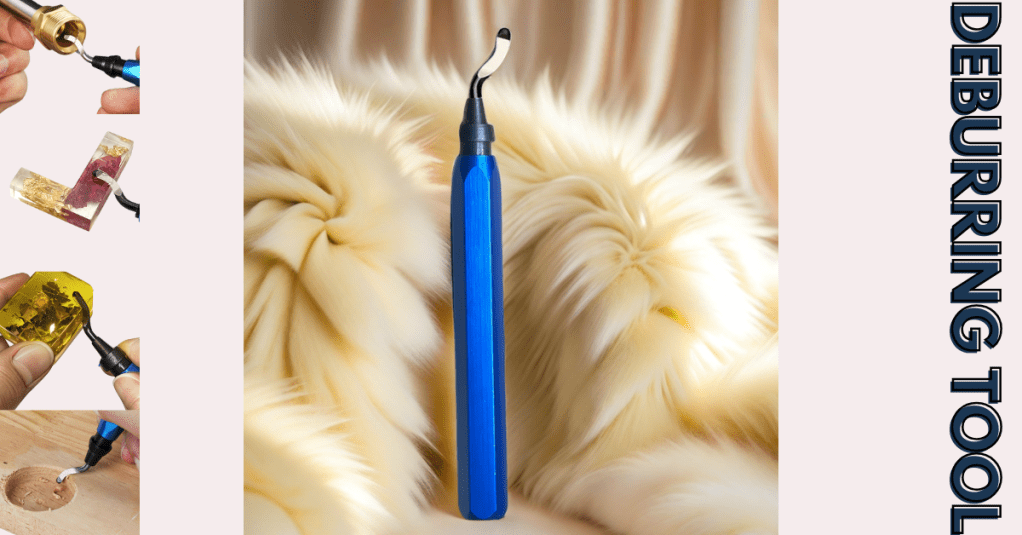
Vila, B. (2019). Confidence in Crafting: The Role of Quality Tools . BobVila.com.
Hey there, crafty friends! 👋
If you’re like me and love working with resin, you know the frustrations of those sharp, rough edges after demolding. That’s where a deburring tool comes in—a little lifesaver that makes finishing your projects smoother than ever!
Today, I’m sharing my personal experience with this nifty tool. I’ll explain why it’s a game-changer. I will also show how easy it is to use. Finally, I’ll suggest where else you can put it to work. Plus, I’ll clear up the confusion between grinding and deburring tools.
Ready? Let’s dive in!
What Is a Deburring Tool? (And Why You’ll Love This One!)
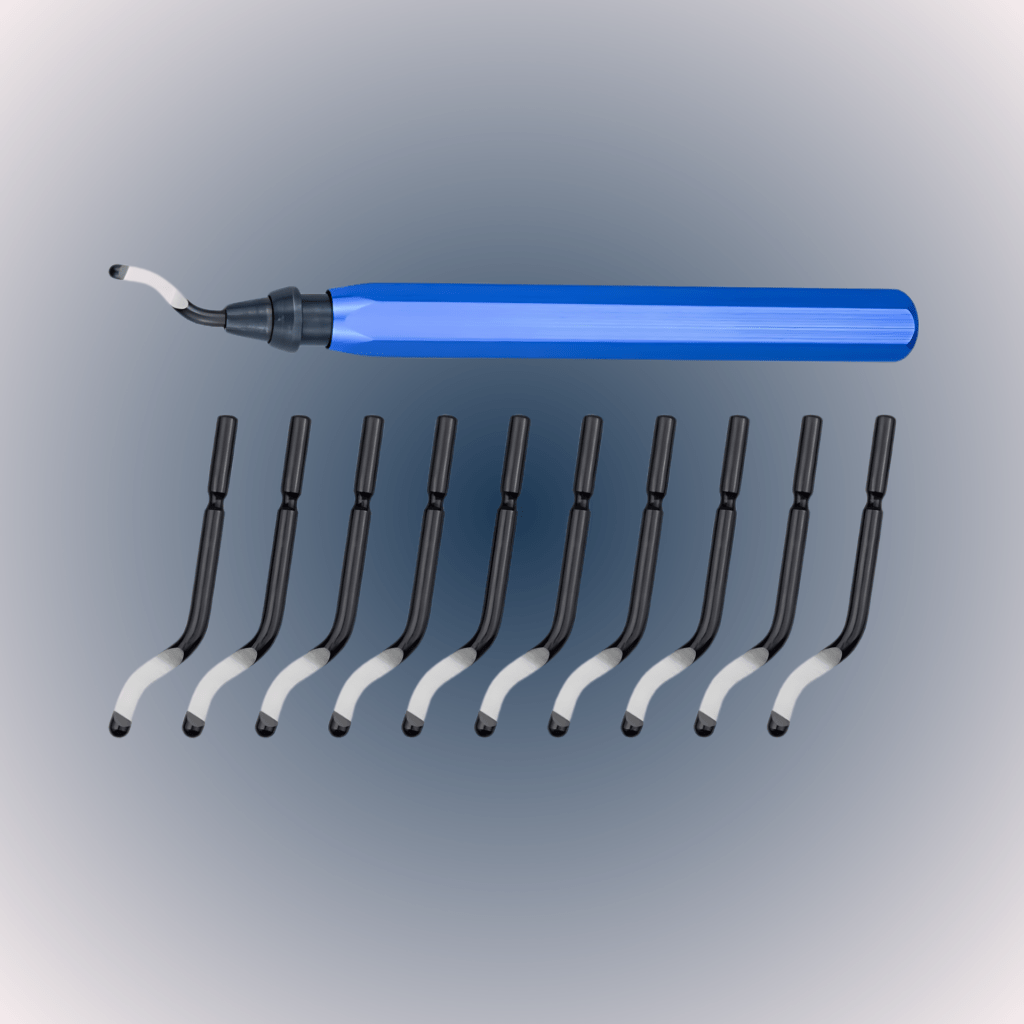
Picture this: a slim, vibrant blue tool with a swivel blade that effortlessly shaves off rough edges. That’s the deburring tool we’re talking about!
Unlike bulky sanders or files, this tool is lightweight, precise, and super easy to handle. It’s designed to remove burrs—those annoying little ridges left after cutting or molding resin, plastic, or even metal.
Why This One Stands Out: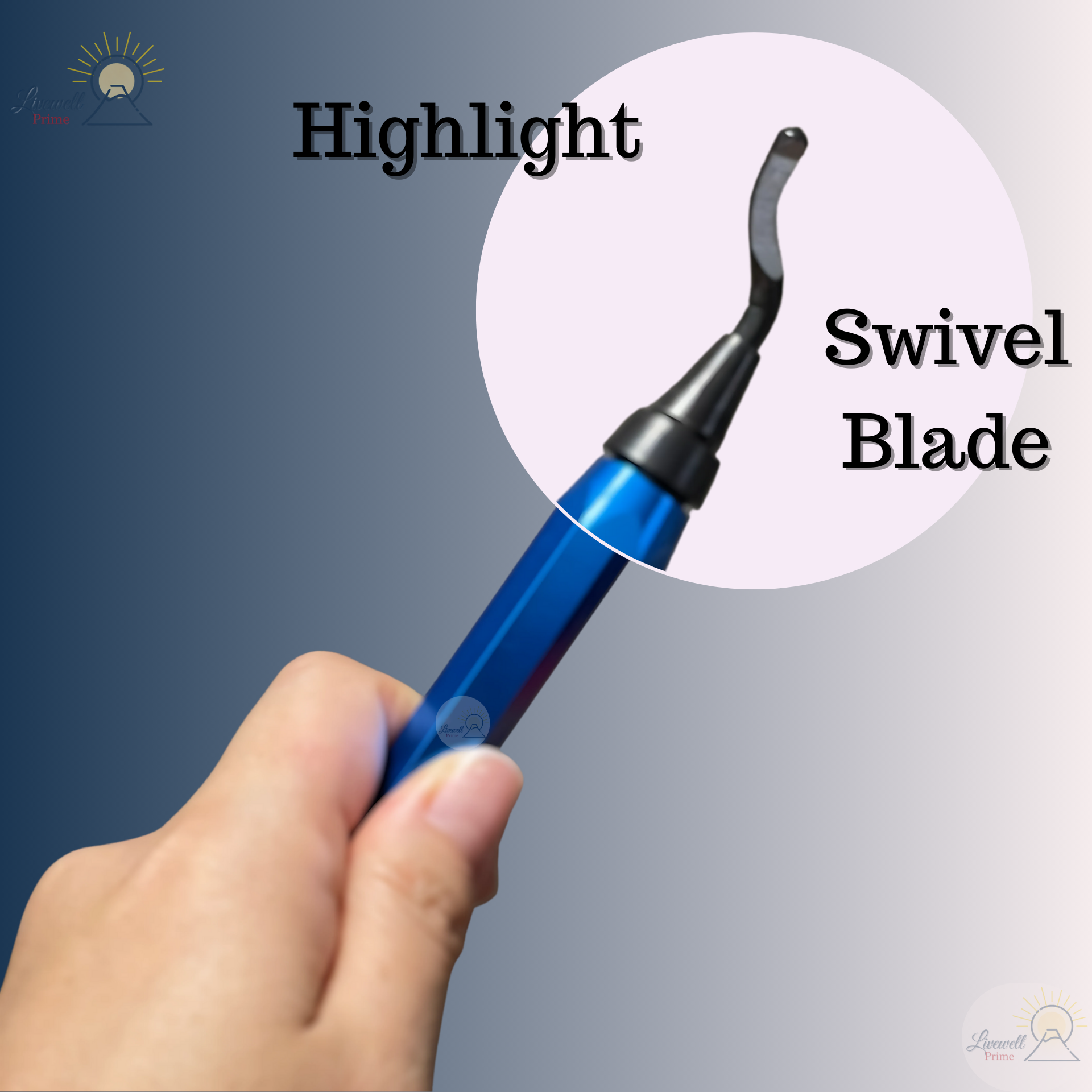
✔ Sleek & ergonomic – Fits comfortably in your hand.
✔ Swivel blade – Adjusts to curves and tricky angles.
✔ Bright blue color – Easy to spot in your toolbox!
Do You Need a Deburring Tool for Resin Crafting?
Short answer: Absolutely!
If you’ve ever:
🔹 Struggled with rough resin edges after demolding
🔹 Cut acrylic or plastic sheets and got jagged edges
🔹 Wanted a smoother finish without endless sanding,
……. then a Deburring tool is your new best friend!
My Personal Experience:
I used to spend ages sanding resin edges—until I discovered this tool. Now, I just glide it along the edges, and voilà—smooth perfection in seconds! No more sore fingers from sanding.
Is a Deburring Tool Easy to Use? (Spoiler: YES!)
If you’re worried it’s complicated, don’t be! It’s one of the simplest tools you’ll ever use.
How to Use It:
- Hold it like a pen – Comfortable grip, no strain.
- Glide along the edge – Let the swivel blade do the work.
- Watch the burrs disappear – No heavy pressure needed!
Pro Tip: For resin, use gentle strokes to avoid chipping.
Where Else Can You Use a Deburring Tool?
This little multitasker isn’t just for resin! Here’s where else it shines:
1. 3D Printing
Removes those pesky layer lines and supports cleanly.
2. Metal & Plastic Models
Perfect for miniature builders and DIY model kits.
3. Plumbing & DIY Repairs
Smooths out cut PVC pipes like a pro.
4. Jewelry Making
Cleans up metal or acrylic edges before polishing.
Honestly, once you have one, you’ll find a million uses for it!
Grinding vs. Deburring Tools: What’s the Difference?
A lot of crafters get confused between these two. Here’s the breakdown:
| Purpose | Removes small burrs & smooths edges | Shapes, cuts, or removes large material amounts |
| Precision | High (delicate work) | Lower (heavy-duty work) |
| Best For | Resin, plastic, soft metals | Metal, stone, hard materials |
| Ease of Use | Very easy | Requires more skill |
Bottom line: If you need precision finishing, go for a deburring tool. For heavy material removal, a grinder is better.
Final Thoughts: Why This Tool Is a Crafting Must-Have
If you work with resin, plastic, or even soft metals, a deburring tool is a small investment. It saves you tons of time and frustration. No more sore fingers from sanding or uneven edges ruining your projects!
At LiveWell Prime, we’re all about tools that make crafting easier and more fun—and this one definitely delivers.
Ready to Try It?
Grab yours today and say goodbye to rough edges forever!
Got questions? Drop them in the comments—I’d love to help!
Happy crafting! ✨

Leave a comment